

29 Jan Debunking the top gambling myths you believe to be true
Debunking the top gambling myths you believe to be true
The Gambler’s Fallacy
One of the most persistent myths in gambling is the gambler’s fallacy, which suggests that past events can influence future outcomes in games of chance. For example, many believe that if a coin has landed on heads several times in a row, tails is “due” to happen. This misconception stems from a misunderstanding of independent events, where the outcome of each flip is unaffected by previous results. Understanding these principles is vital, and resources like the website can provide additional insights.
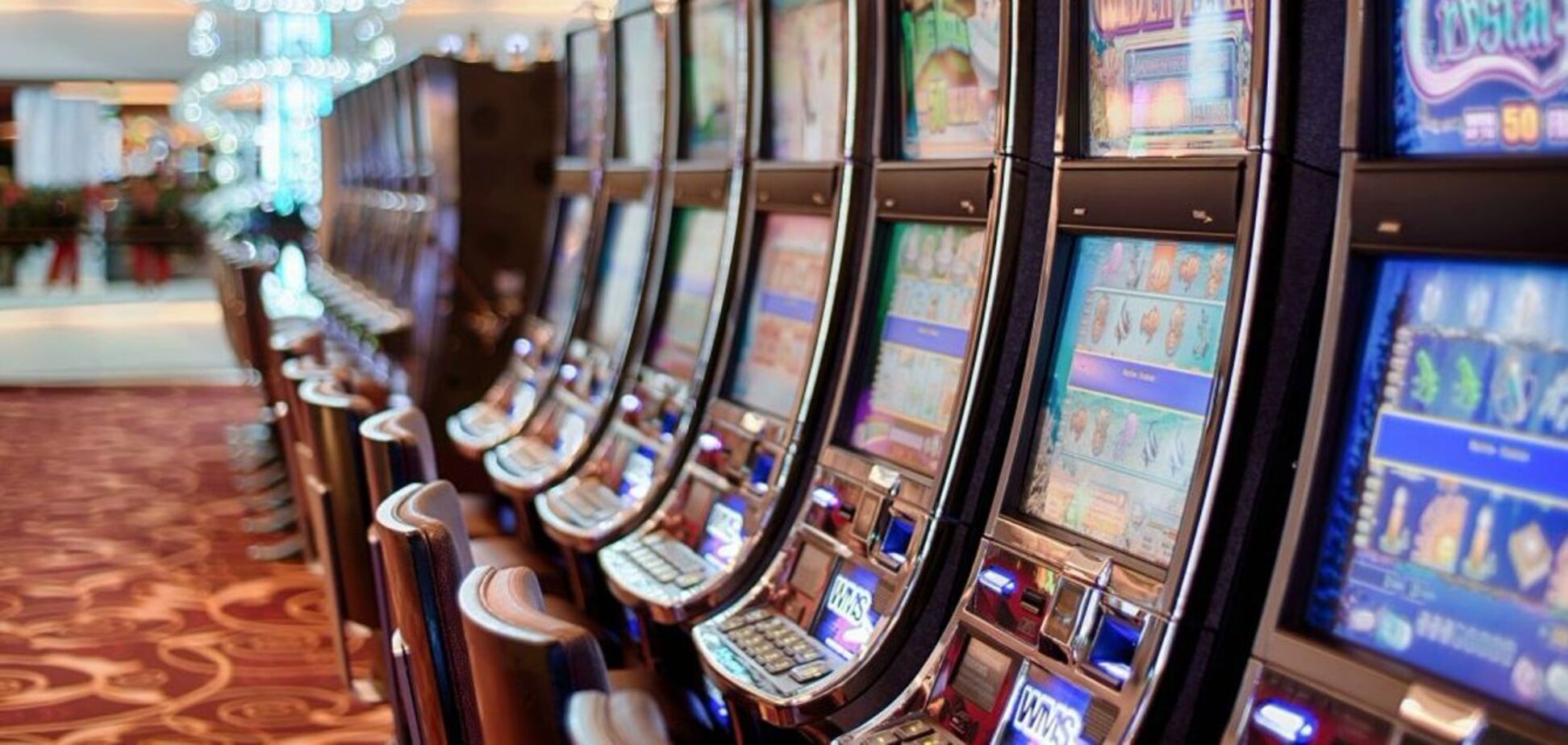
Understanding probabilities is essential to debunking this myth. Each flip of a coin has a consistent 50/50 chance, regardless of prior results. This principle applies to all games of chance, including slot machines and roulette. Recognizing that outcomes are independent can prevent players from falling into a trap of illogical reasoning.
Hot and Cold Streaks
Another common belief is that players experience “hot” or “cold” streaks based on their luck or skill. This myth suggests that a game or machine can become due for a win after a series of losses or that it may be “hot” after several wins. In reality, the outcome of each session is still determined by the underlying odds of the game.
The concept of hot and cold streaks can lead gamblers to make irrational betting decisions. The truth is, every round of a game like blackjack or poker stands on its own merits, dictated by statistical probability rather than any external pattern. Recognizing this can help players make more informed and rational choices during their gambling sessions.
The House Always Wins
While it’s true that the house has an advantage in most gambling scenarios, the idea that it always wins is a misconception. Many players believe that casinos are unbeatable, leading to a fatalistic approach that discourages strategic play. In reality, players can employ strategies that may improve their odds.
For instance, games like poker and blackjack require skill, allowing knowledgeable players to leverage their understanding of the game to increase their chances of winning. While it’s important to acknowledge that the house edge exists, informed strategies can help players minimize losses and maximize their potential winnings, proving that the house does not always win.
The Myth of Skill in Random Games
Many newcomers believe that they can develop skills to influence the outcome of games that are fundamentally random, such as slots or roulette. This myth can lead to misguided investments of time and money, as players attempt to apply strategies to games where chance dictates results. Understanding the nature of these games is crucial for responsible gambling.
In reality, skill can only play a role in games like poker or blackjack, where player decisions affect outcomes. Random games operate on algorithms or chance, rendering skill meaningless. Recognizing this difference can help players make better decisions and avoid the trap of believing they can control inherently unpredictable games.

Join the Conversation at Nordic Bridges
As you explore the fascinating world of gambling and its myths, consider connecting with others who share your interests at Nordic Bridges. This platform not only fosters collaboration and innovation but also encourages discussions about various topics, including cultural perspectives on games and luck.
By engaging with a community that values exchange of ideas, you can gain deeper insights into the world of gambling and broaden your understanding of its impact. Join Nordic Bridges today to connect, learn, and explore new perspectives on culture, creativity, and everything in between.